Pensana (LSE: PRE) Hard-to-Borrow Indicators Suggest Potential Short Squeeze Amid Rare Earth Policy Shift
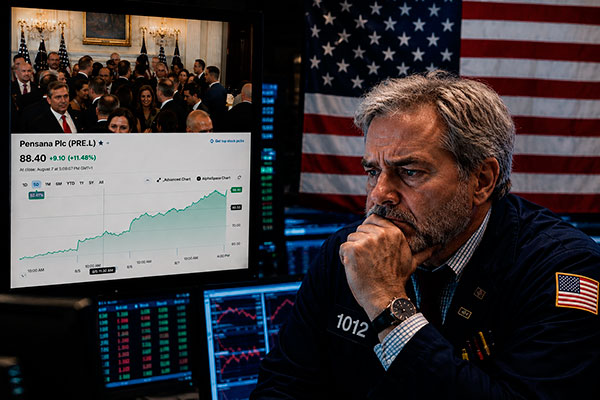
Global supply chains for critical minerals are undergoing a rapid realignment following a White House roundtable meeting between President Donald Trump and over 200 mining executives. The administration has deployed a $3 billion funding package alongside a $12 billion strategic mineral reserve mandate to establish independent "mine-to-magnet" supply chains. This policy shift has driven institutional capital into the rare earth sector, creating severe liquidity friction in underlying equities.
Against this backdrop, atypical borrowing activity in London-listed rare earth developer Pensana Plc (LSE: PRE) points to structural imbalances in the stock's available float.
Several months ago, a prominent European financial institution—excluding Swiss and Liechtenstein entities—approached a major private shareholder to secure an equity lending agreement. The institution offered a 40% annualized stock lend fee to borrow the position.
This premium coincides with recent Financial Times reporting on the extensive accumulation of short positions across the rare earth sector. The high borrowing fee provides a transparent look into the mechanics of the current market deficit:
- Hard-to-Borrow Status: A 40% annualized lending rate is an institutional signal of an acute lack of liquid shares available for settlement. Short sellers and market makers face high capital requirements to maintain outstanding positions, signaling extreme vulnerability to price increases.
- Undisclosed Short Accumulation: While official UK Financial Conduct Authority (FCA) short-selling disclosures show minimal net short positions for Pensana, this reflects regulatory thresholds. Institutional funds utilize contract-for-difference (CFD) structures and total return equity swaps below the 0.2% public reporting limit, masking the true aggregate short interest.
- Tight Free Float Dynamics: Pensana’s capital structure remains highly concentrated, with strategic holdings tied up in sovereign wealth funds and long-term institutional backers. With significant private blocks (representing 2% or more of the total equity) remaining unlent, short sellers lack the necessary borrow to hedge or cover obligations.
- Asymmetric Liquidity Risk: The combination of US federal funding commitments and rising physical neodymium-praseodymium (NdPr) pricing is forcing a revaluation of rare earth assets. Any broad-based short covering or broker-enforced margin buy-ins will meet a thin order book, raising the probability of a parabolic short squeeze.
As long as long-term equity holders refuse to supply shares to the securities lending market, the cost to borrow is expected to remain elevated, leaving short positions exposed to forced liquidation.
Regulatory Disclosure & Disclaimer: This report is for informational and analytical purposes only and reflects the independent market observations of the author based on public data and private commercial inquiries. This publication does not constitute an individualized investment recommendation, an offer to buy or sell securities, or a guarantee of future market performance. The author accepts no liability for financial decisions made by third parties based on this information.
Aleksei Andrievskii | Advisory Board Member, Bendura Bank AG | Liechtenstein