Nestlé Bets on GLP-1: How Mounjaro Is Turning a Food Giant into a Health-Tech Company
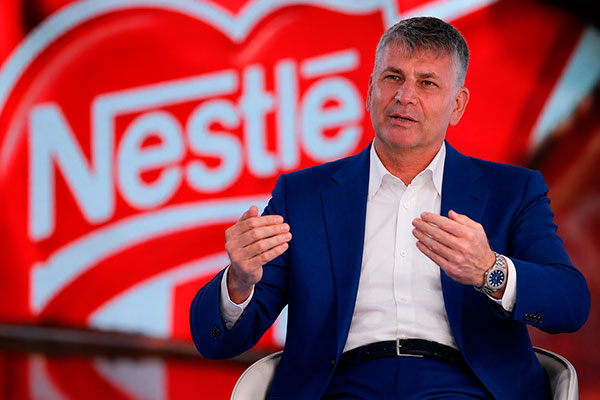
According to a Reuters report published on August 17, Nestlé is transforming the rapid rise of GLP-1 weight-loss drugs from a potential threat into a new growth opportunity. The Swiss food giant is using artificial intelligence and nutritional science to develop products tailored for millions of consumers taking weight-loss medications such as Mounjaro, Wegovy, and Ozempic.
While investors continue to debate how GLP-1 therapies will reshape the global food industry, Nestlé has chosen an unconventional strategy. Rather than defending its existing business, the company is creating an entirely new product category.
The key question is no longer what people will eat, but what kind of nutrition people need when they barely feel hungry. That idea now sits at the center of Nestlé's long-term strategy.
Over the past few years, GLP-1 medicines have fundamentally changed obesity treatment. According to Boston Consulting Group, around 16 million Americans are already using these therapies, and that number is expected to grow sharply by the end of the decade. For food manufacturers, this represents a profound shift in consumer behavior. People eat less, buy fewer snacks, reduce sugar consumption, and become far more selective about the nutritional value of every meal.
That is precisely why many investors see GLP-1 drugs as a long-term threat to traditional packaged food companies. Nestlé, however, sees the opposite. As food consumption declines, every meal becomes more valuable. This creates demand for products that not only provide nutrition but also help address the side effects of rapid weight loss, including muscle loss, protein deficiency, and declining skin health.
In doing so, Nestlé is gradually moving beyond the traditional food business toward the intersection of nutrition, preventive healthcare, and medical science.
Artificial intelligence plays a central role in this transformation. The company uses AI to analyze scientific literature, clinical research, consumer behavior, and a proprietary database of more than 120,000 recipes. Its internal Food Genie platform predicts how new products are likely to perform before they reach store shelves, significantly accelerating product development while reducing research costs.
At the same time, Nestlé is turning data into a strategic asset. By combining medical research, social media insights, and ingredient performance analysis, the company can develop products that respond more quickly to evolving consumer needs. Just a few years ago, such a data-driven model would have seemed unusual for a food manufacturer. Today, it is becoming a competitive advantage.
Not everyone is convinced. Many nutrition experts argue that the protein and micronutrients promoted in specialized GLP-1 products can already be obtained from everyday foods such as meat, fish, dairy products, eggs, and legumes. As a result, the commercial success of this emerging category will depend not only on scientific evidence but also on consumers' willingness to pay a premium for specialized nutrition.
Andrievskii Verdict
Nestlé is among the first global consumer goods companies to recognize that the GLP-1 revolution is reshaping far more than the pharmaceutical industry. It is redefining the future of consumer products. The company is no longer competing solely for shelf space in supermarkets—it is positioning itself within a broader healthcare ecosystem, where food increasingly becomes an extension of personalized therapy. If this strategy succeeds, the next battleground for global FMCG companies will no longer be taste or price, but the ability to integrate artificial intelligence, nutritional science, and healthcare into a single value proposition.
Aleksei Andrievskii | Advisory Board Member, Bendura Bank AG | Liechtenstein